
Our story · 1970 — today
Fifty Years North
Buffalo Airways was the subject of the History television series Ice Pilots NWT — but the story starts four decades earlier, with one man and the aircraft the North was built on.
On May 13th, 1970, Joe McBryan — Buffalo Joe — bought Buffalo Airways from Bob Gauchie, one of the Arctic’s most storied bush pilots. More than half a century later it is still run by the McBryan family from the Yellowknife hangar, and still flying many of the same aircraft.
We are a northern based airline operating scheduled passenger, charter passenger, charter cargo, firefighting and fuel service, primarily from Yellowknife. By working with the Global Interline Network we ship nationally and internationally from our bases in Yellowknife, Hay River and Edmonton — and through it all, the DC-3s, C-46s and Electras have kept flying.
- 1970
Buffalo Joe buys the airline
On May 13th, a 26-year-old Joe McBryan — Buffalo Joe — buys Buffalo Airways from Bob Gauchie, one of the Arctic’s most storied bush pilots, and runs it as a family business, flying the aircraft the North was built on. The main base settles at Yellowknife Airport (CYZF), with Hay River (CYHY) alongside.
- 1982
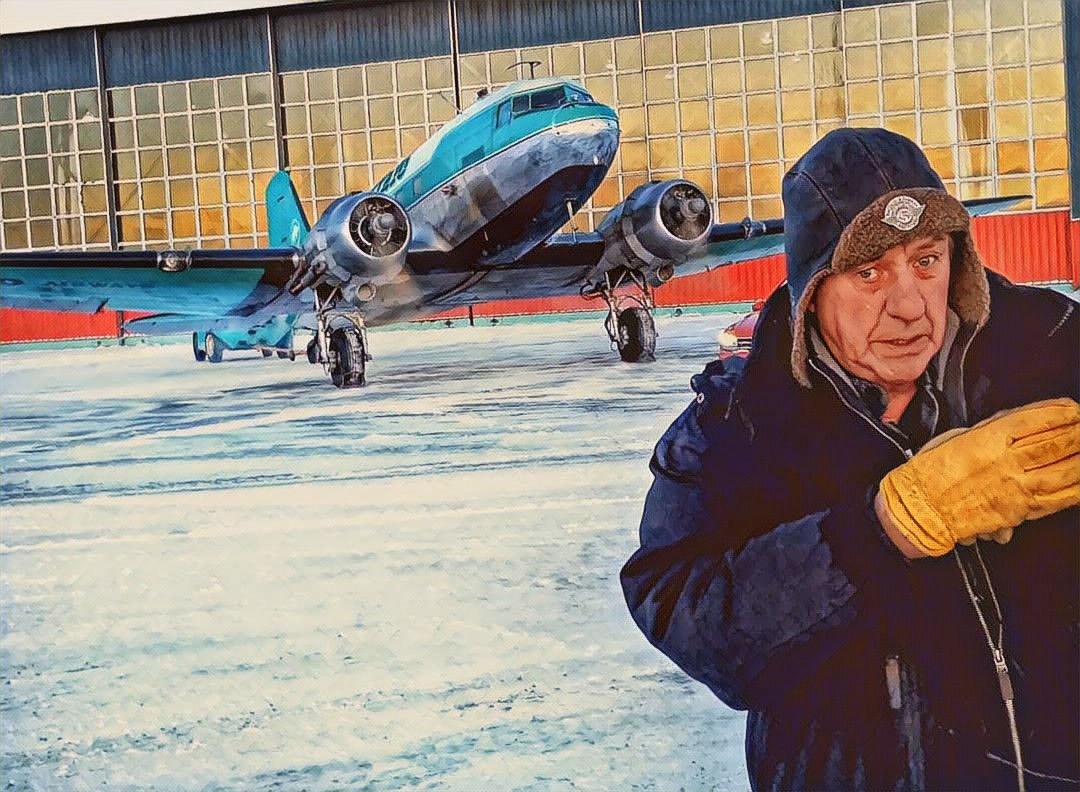
Buffalo Air Express launches
Buffalo starts its own courier service. It grows into the largest courier service in the Northwest Territories, with a door-to-door network reaching over 400 communities in Northern Alberta and, through the Global Interline Network, the world.
- 1986
The sked
In August the daily scheduled run between Hay River and Yellowknife begins — 45 minutes across Great Slave Lake, seven days a week. Flown by the green-and-white DC-3s, it becomes the last scheduled DC-3 passenger service on Earth and carries more than 186,000 passengers over the next three decades.
- 1990s
Into the fire
Buffalo earns its start in aerial fire suppression operating the Douglas DC-4/C-54, PBY-5 Canso, Cessna 185 and DC-3 alongside smoke jumper operations — the beginning of a fire partnership with the Government of the Northwest Territories that continues to this day.
- 2004
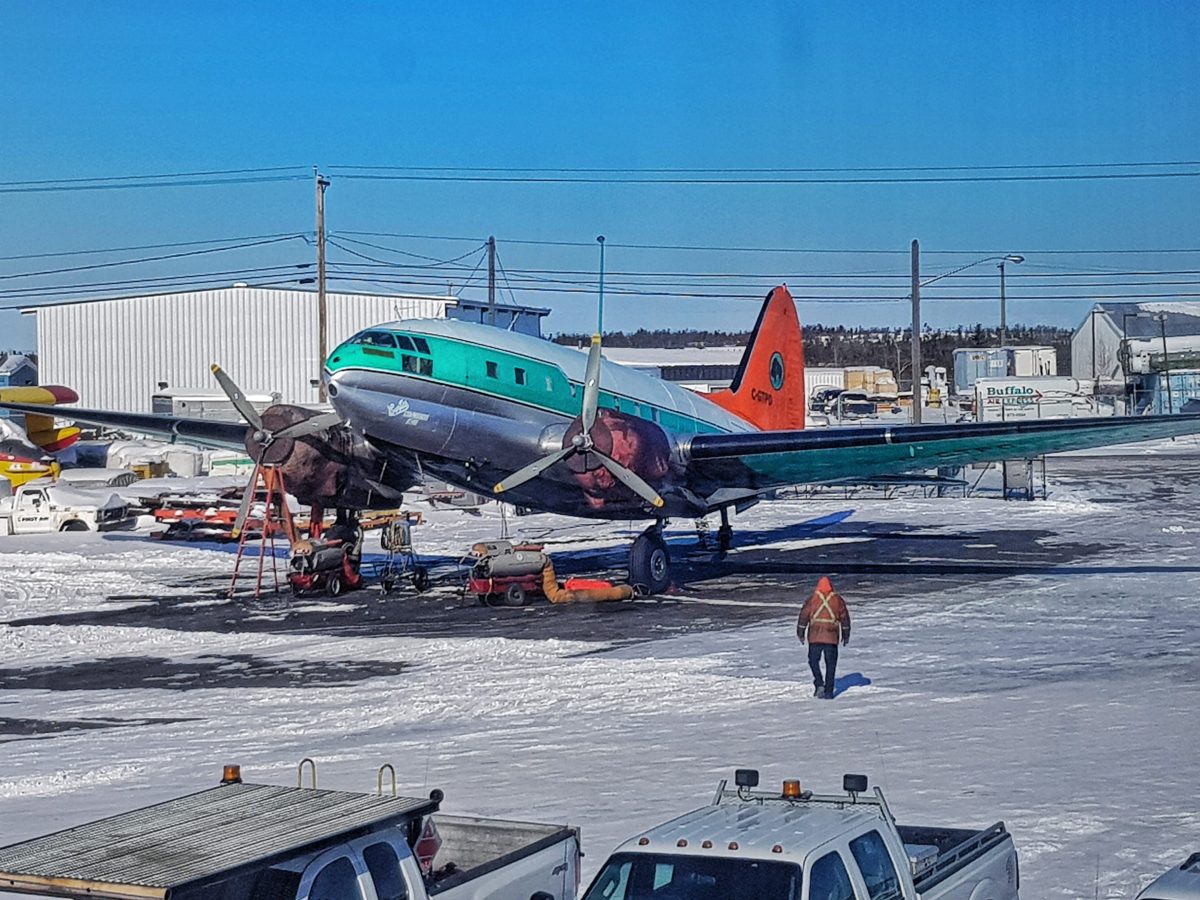
Buffalo Airwear opens
Under the management and creativity of Mikey McBryan, Buffalo launches a merchandise and clothing company — curated and shipped right from the Yellowknife hangar, and eventually growing past 80 products.
- 2009
Ice Pilots NWT
The History television reality series Ice Pilots NWT brings Buffalo’s rampies, pilots and round engines to a global audience across six seasons — and the green-and-white DC-3s become some of the most recognisable aircraft in the world.
- 2012
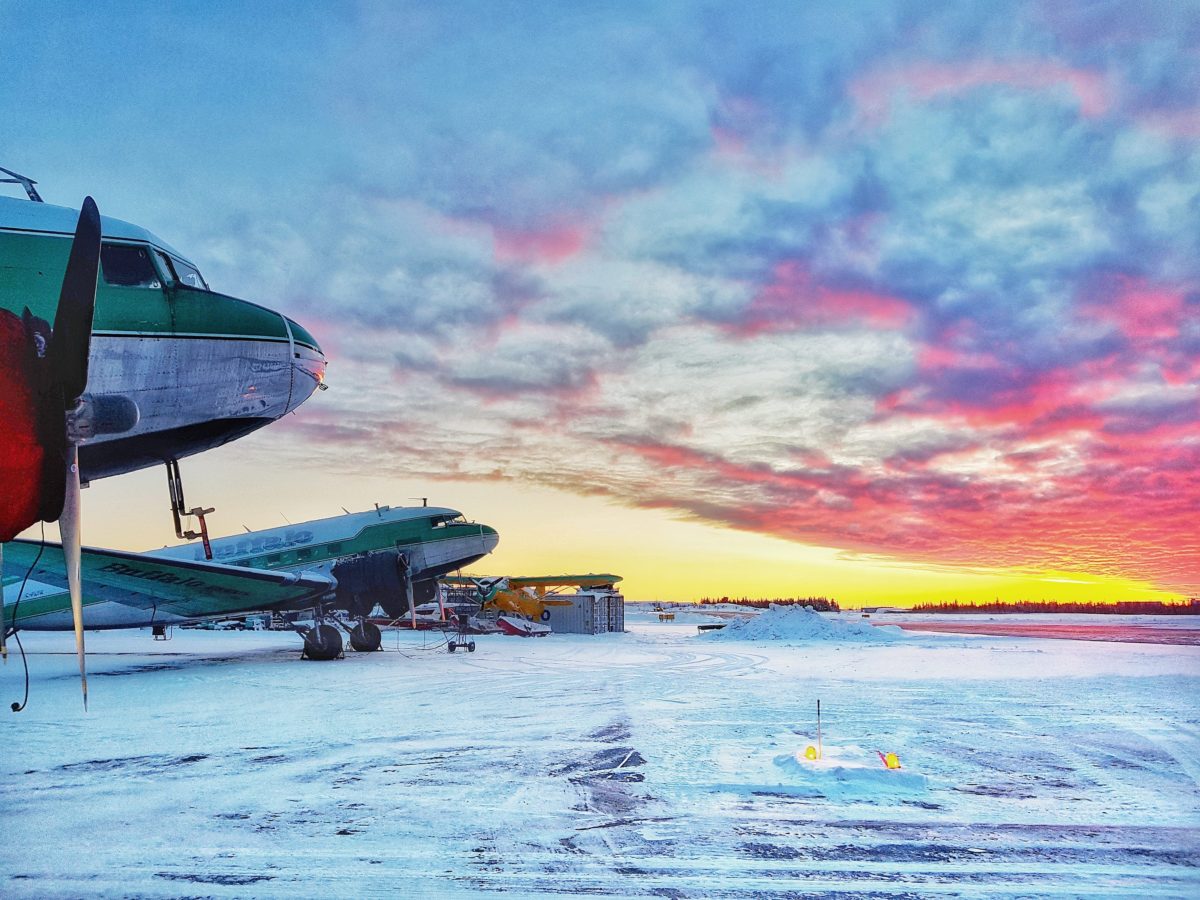
Arctic Air and an Iron Maiden
The Canadian TV show Arctic Air films in the Buffalo hangar. Later that year Bruce Dickinson, lead singer of Iron Maiden, visits Yellowknife and flies C-GWZS — the last commercially flying DC-3 that flew on D-Day.
- 2018
Plane Savers begins
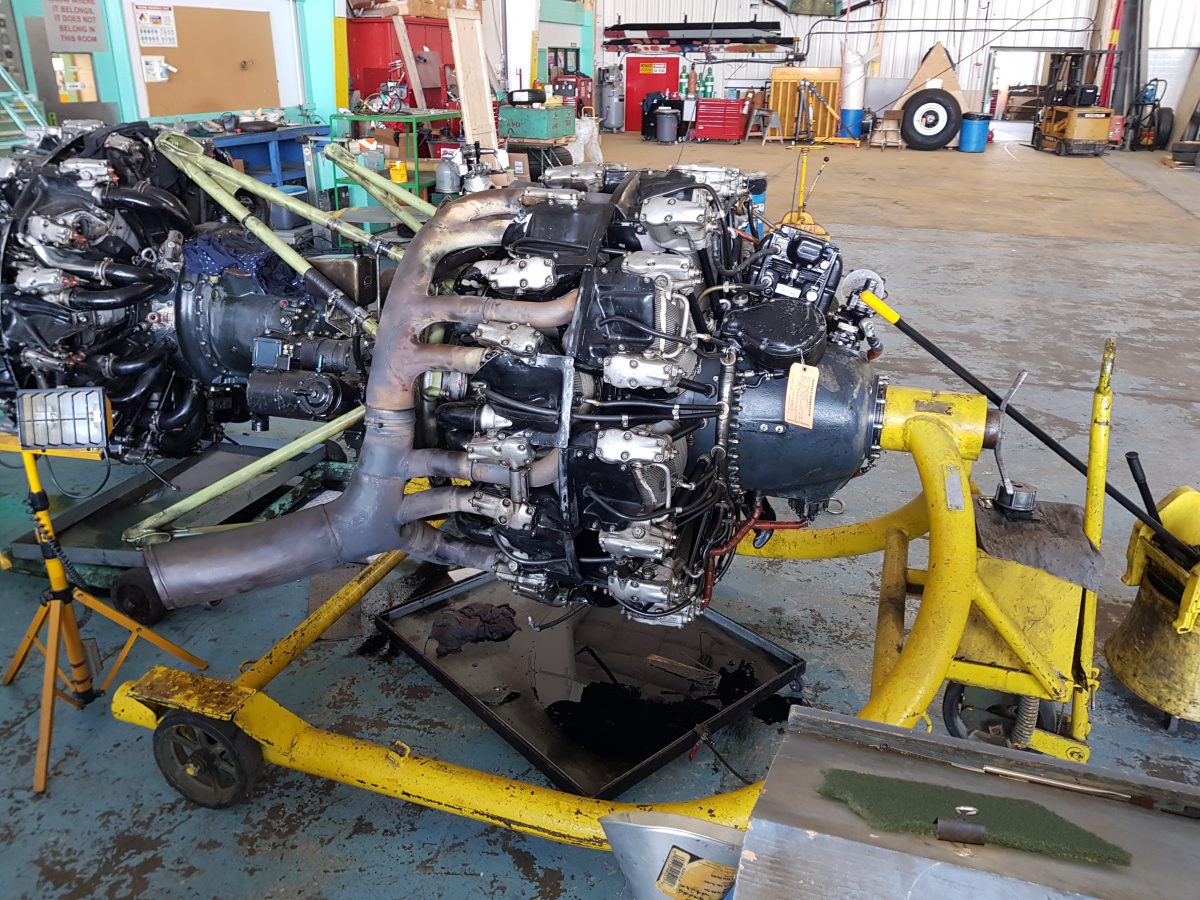
Mikey McBryan buys an abandoned Douglas DC-3 in St. Hubert, Quebec — on the ground for 30 years — and sets out to restore it to flight, documenting every day on YouTube.
- 2019
D-Day, again
After two months of restoration, the Plane Savers DC-3 flies — with a successful test flight on June 6th, 2019. Seventy-five years to the day after D-Day. That August, Buffalo Joe is invested with the Order of the Northwest Territories, the territory’s highest honour, for a lifetime spent keeping the North connected.
- 2023
The jet age arrives
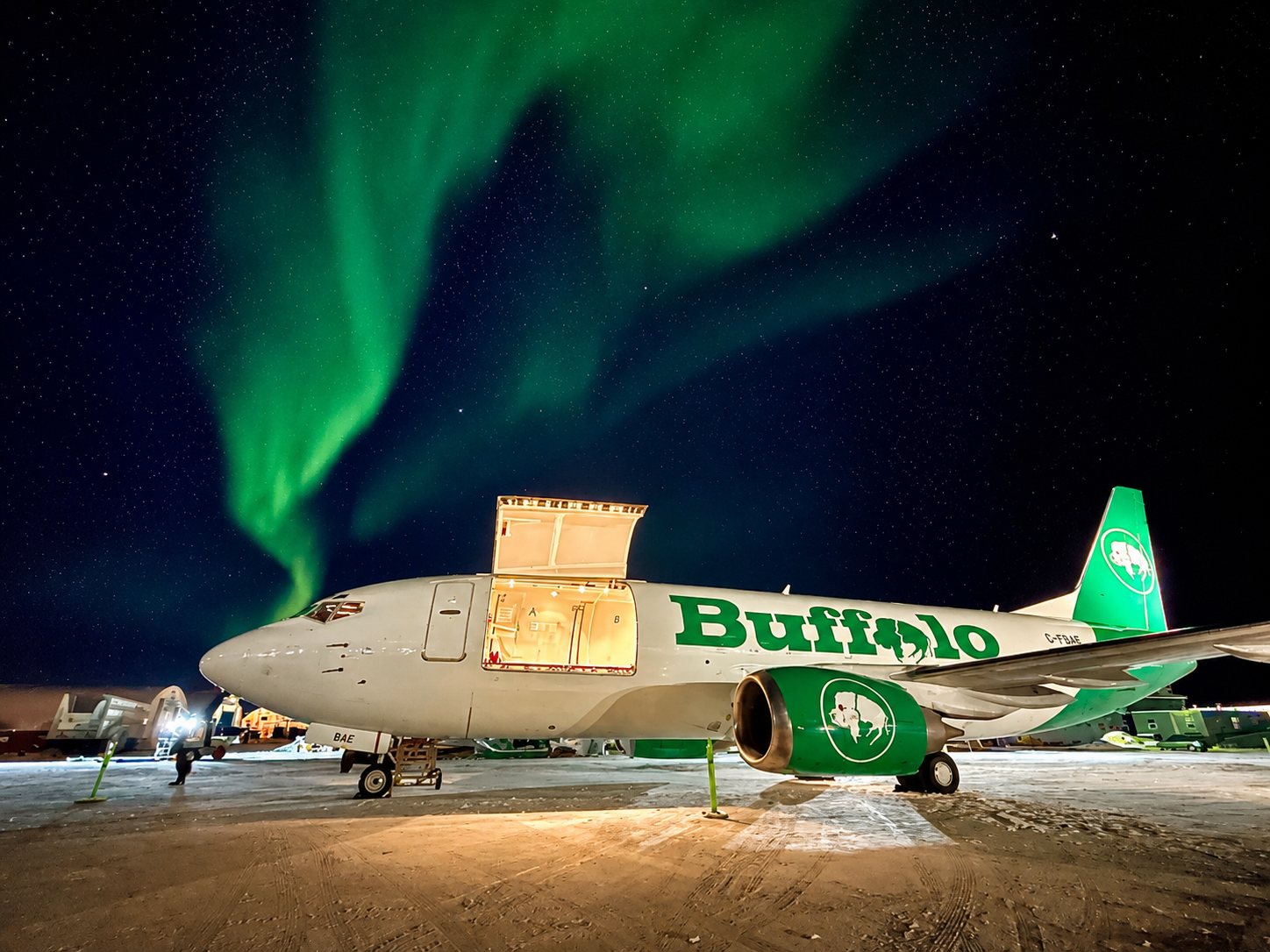
On August 3rd, Buffalo’s first jet touches down: C-FBAE, a Boeing 737-300SF freighter. A dedicated Edmonton–Yellowknife cargo run follows — the biggest change to the fleet since the round engines arrived.
- 2023
The fire summer
The worst fire season in Northwest Territories memory empties Yellowknife, Hay River and communities across the territory. Buffalo flies through all of it — airtankers and water bombers on the fire line while the freighters haul food, supplies and evacuees south, from the SPCA’s shelter animals to an entire correctional facility.
- 2025
The gravel jet
A second Boeing joins: C-GTVO, a gravel-kitted 737-200 freighter — one of the last jets built that can work off unpaved strips, bringing jet freight to the gravel runways the North runs on.
- Today
Still your passage to the North
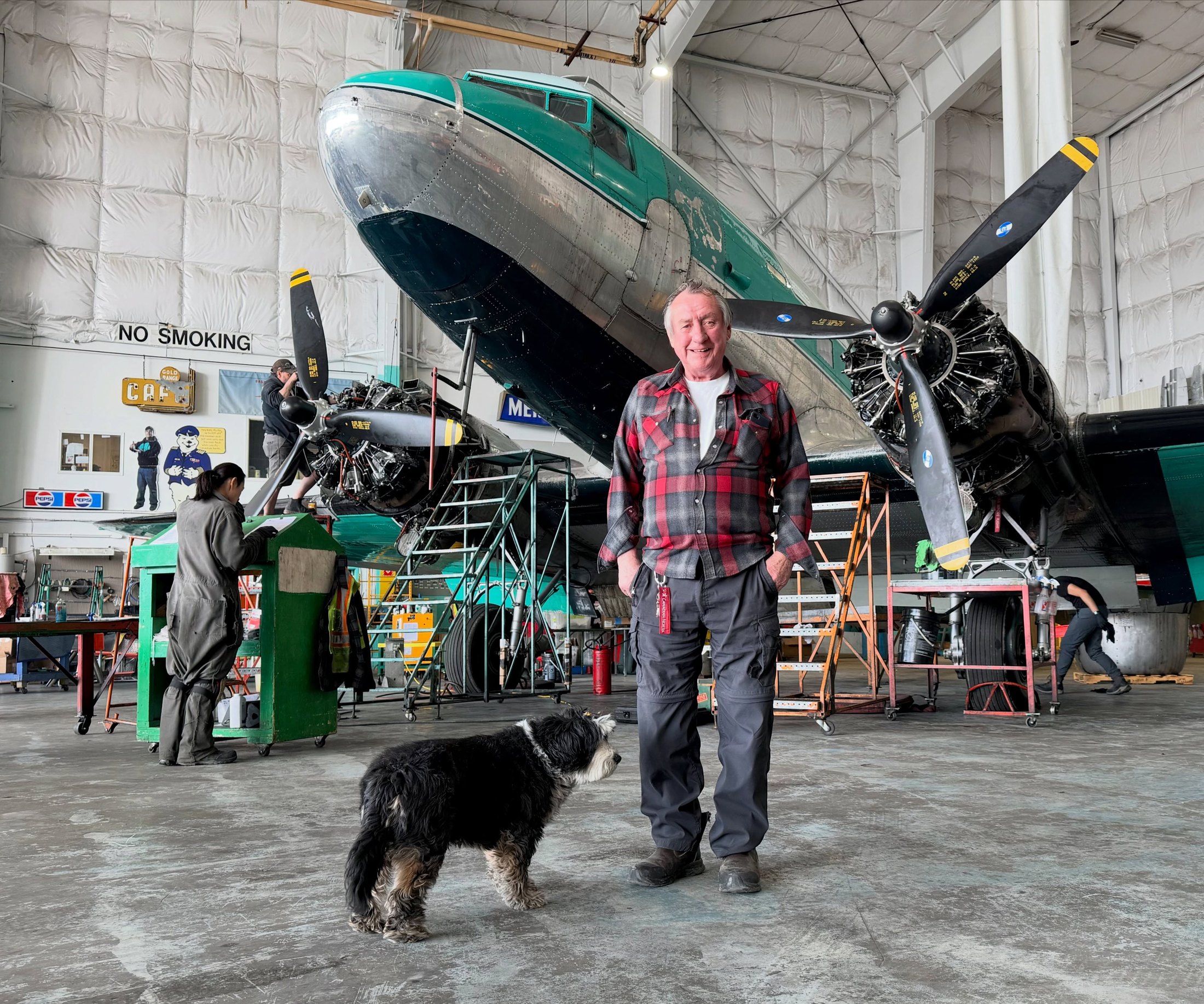
Scheduled and charter cargo, passenger charters, fuel service, a Transport Canada AMO with 50 engineers, a fire suppression fleet grown to seven CL-215s plus Firebosses of Buffalo’s own — and two Boeing 737s working the North daily, while the DC-3s, C-46s and Electras keep flying. Family run, since 1970.
The fleet, year by year
Every Type Has a Date
When each aircraft joined the operation — from the bush planes of the first summers to the jets. The green-and-white has been on a lot of different tails.
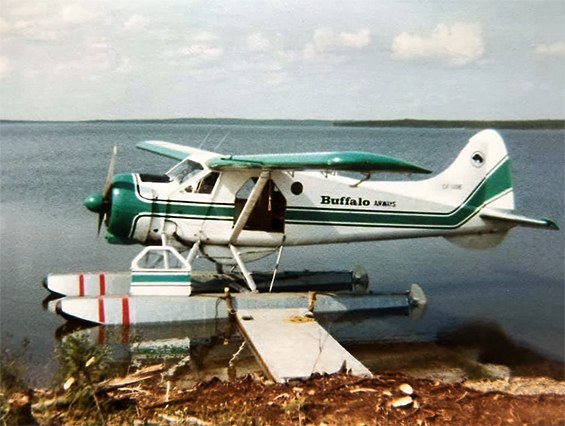
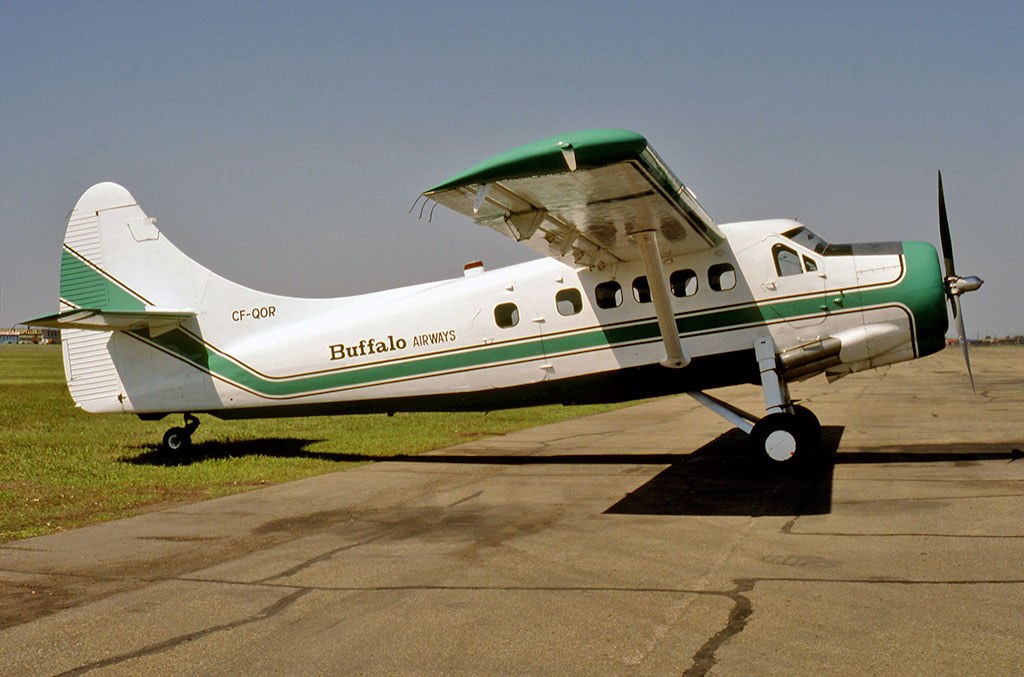
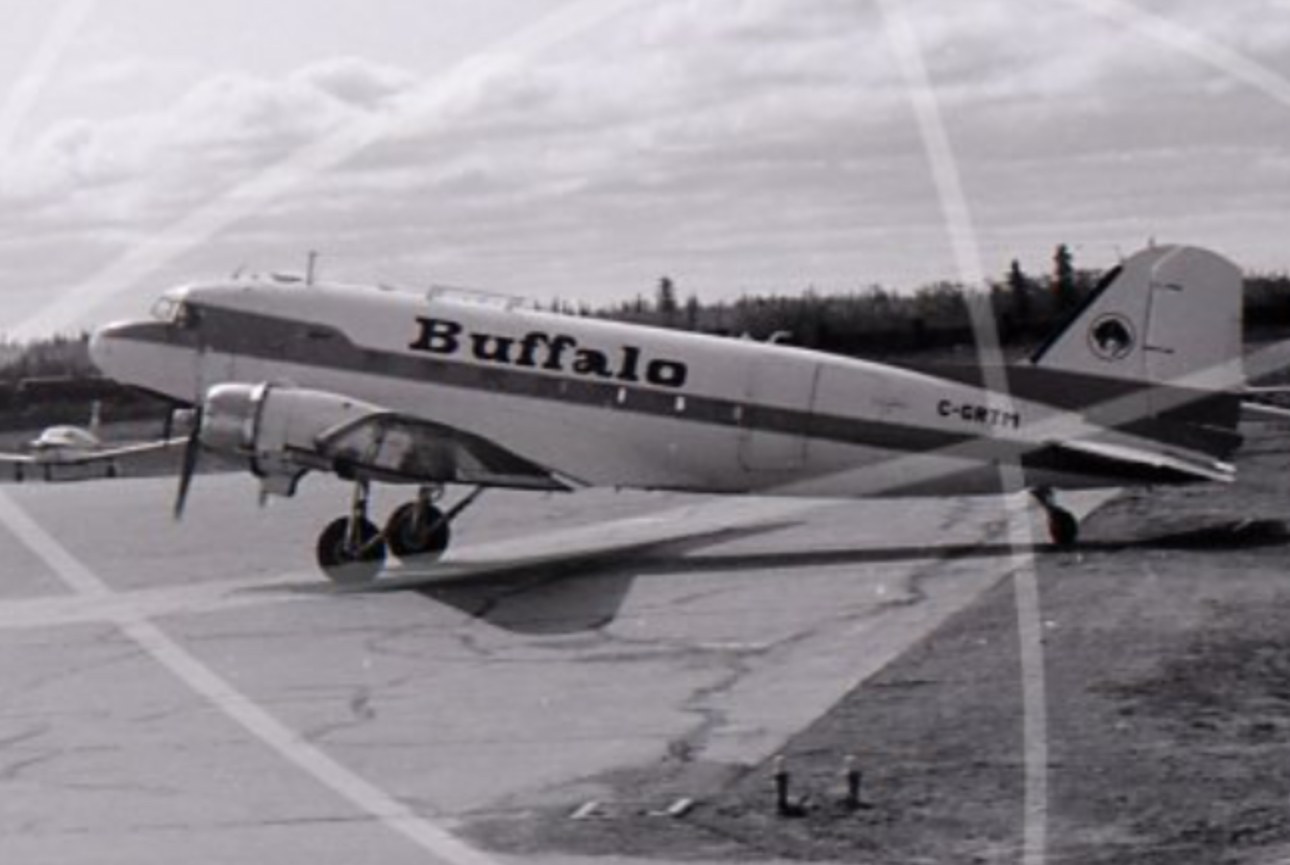
- 1970Noorduyn NorsemanWhere it started — the bush plane the North was built on
- 1971DHC-2 Beaver
- 1973DHC-3 Otter
- 1973Douglas DC-3The type that came to define Buffalo — still flying
- 1970sThe helicopter yearsHiller 12E, Bell 206, Hughes 500D
- 1991Douglas DC-4 / C-54Freighters and fire tankers
- 1992Curtiss C-46 Commando
- 1990sPBY-5 Canso · Cessna 185The early fire line, flown alongside smoke jumper operations
- 1995Canadair CL-215The scooper fleet — seven strong today
- 2005Lockheed L-188 ElectraThe fleet grew again in 2010 and 2013
- 2000sKing Air bird dogsLeading the tankers to the drop
- 2014Lockheed P-3 OrionTanker 22
- 2017AT-802 FirebossOn contract for the Government of the NWT
- 2020sBeechcraft 1900DC-GUUW
- 2023Boeing 737-300SFThe first jet — C-FBAE
- 2025Boeing 737-200The gravel jet — C-GTVO
- 2026AT-802 Fireboss, Buffalo-ownedC-FBAF — a second on the way
- 2026DHC-6 Twin OtterC-GFYN